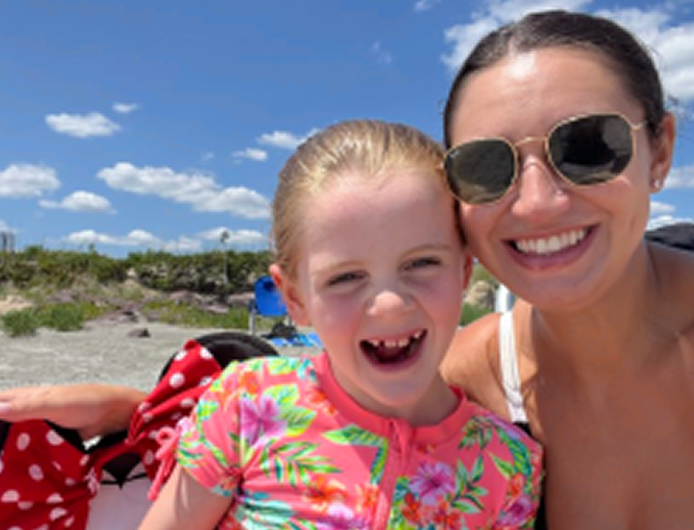
Support mental health
1 in 3 kids with T1D experience diabetes distress — peer support is proven to help.
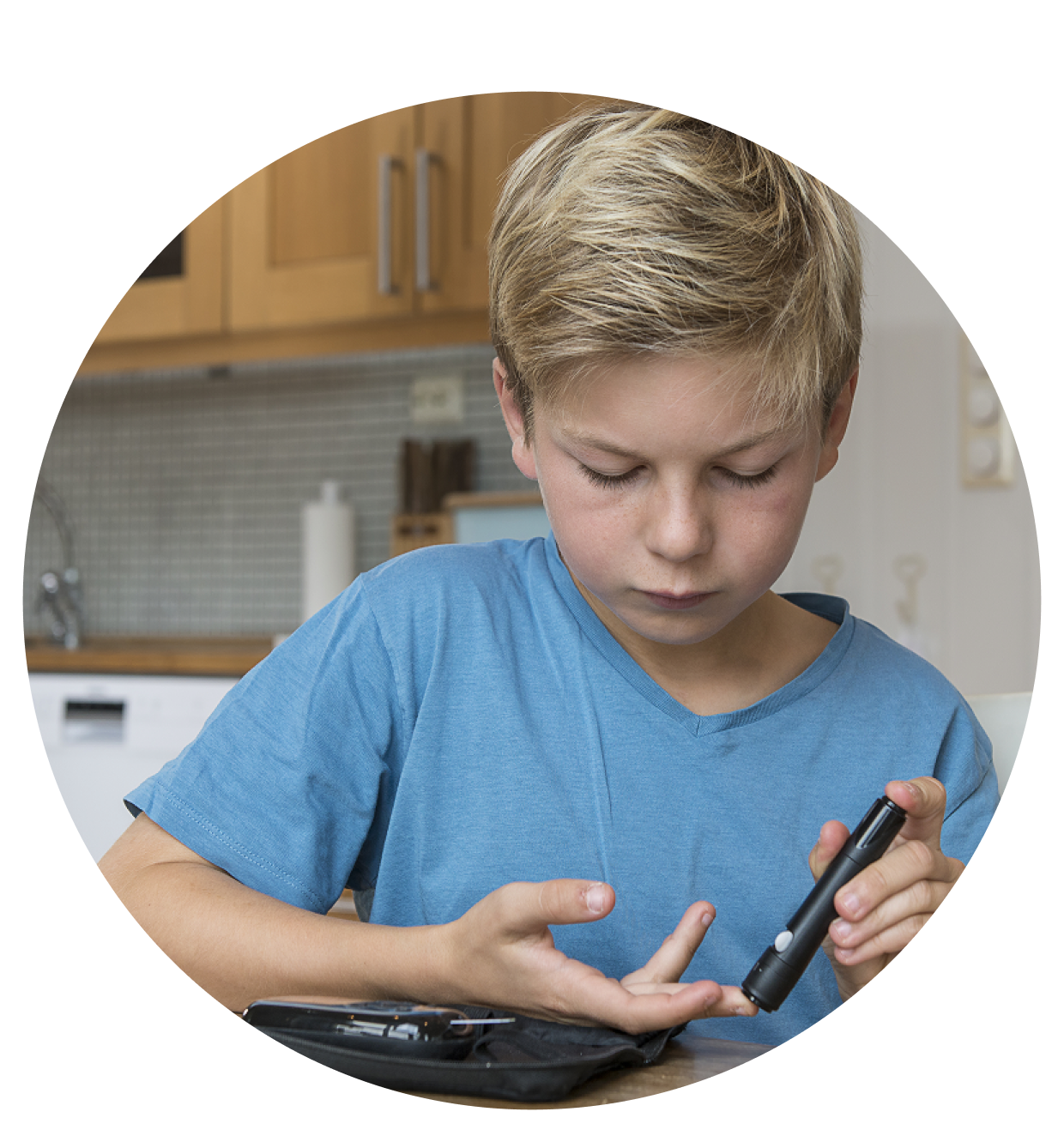
Diabetes Buddies works closely with members of the T1D community to identify and foster meaningful mentor connections.
Partner With Us
Together, we recruit and connect children and adults with T1D to be thoughtfully matched through their local Big Brothers Big Sisters chapter.
Finding the right mentor for a child with Type 1 Diabetes requires care and nuance —that’s where you come in.
Diabetes Buddies partners with T1D organizations, schools, medical institutions, non-profits, and more to identify participants, refer them to Big Brothers Big Sisters chapters, and support them throughout the matching process.
Living with T1D requires constant management and vigilance. A mentor who has walked the same path can help reduce isolation and build confidence.
Today, 1 in 3 young people with T1D experience significant diabetes distress. Peer support beyond parents can change that — and partnerships across the T1D community help make it possible.
Get Involved
1 in 3 kids with T1D experience diabetes distress — peer support is proven to help.

Mentorship reduces social embarrassment as a barrier to adherence from 50% to 15%.

Support beyond parents helps children build autonomy and engage more in self-care.

Intentional peer support is linked to better diabetes self-care behaviors among teens.
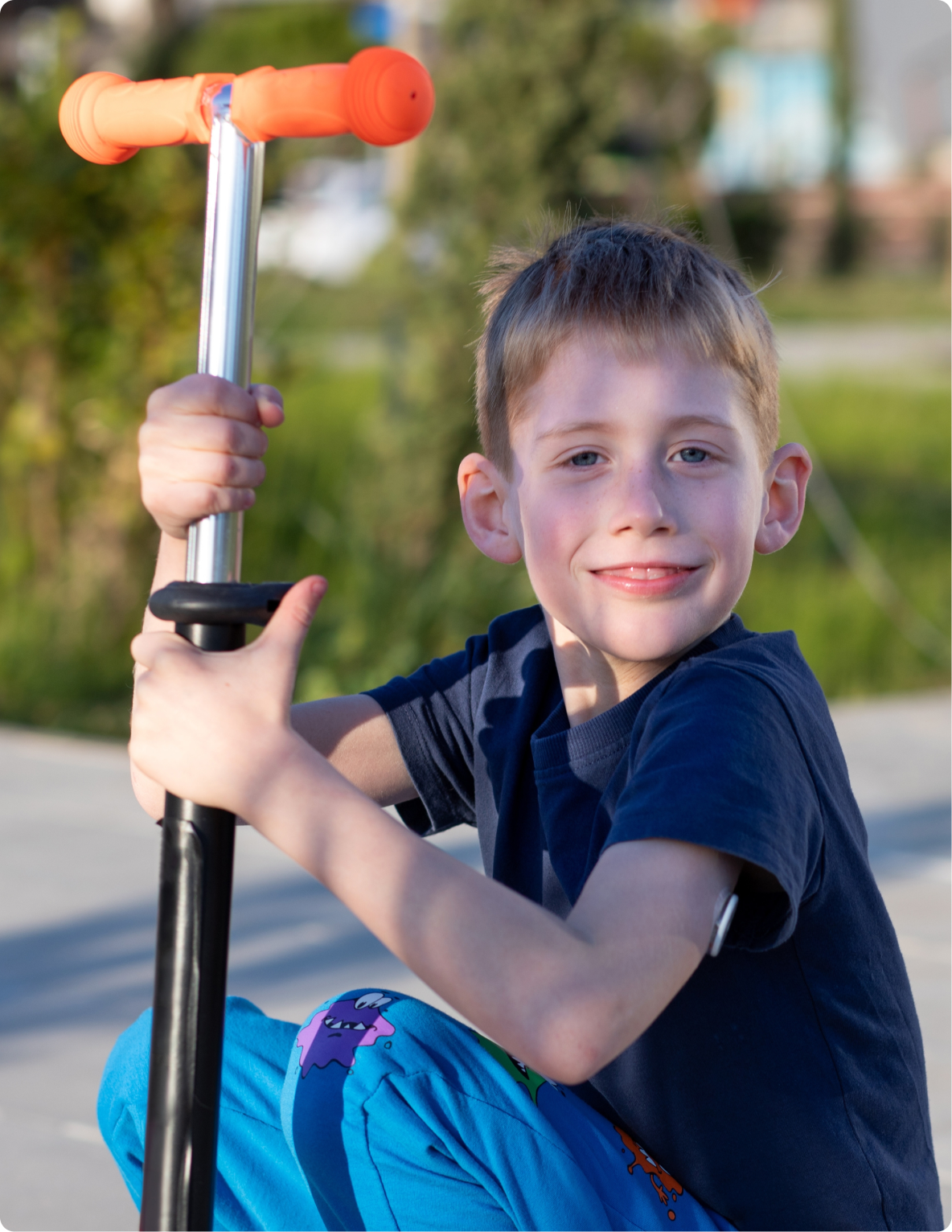

Diabetes Buddies works closely with members of the T1D community to identify and foster meaningful mentor connections.
Partner With Us
Together, we recruit and connect children and adults with T1D to be thoughtfully matched through their local Big Brothers Big Sisters chapter.


Finding the right mentor for a child with Type 1 Diabetes requires care and nuance — that’s where you come in.
Diabetes Buddies partners with T1D organizations, schools, medical institutions, non-profits, and more to identify participants, refer them to Big Brothers Big Sisters chapters, and support them throughout the matching process.
Living with T1D requires constant management and vigilance. A mentor who has walked the same path can help reduce isolation and build confidence.
Today, 1 in 3 young people with T1D experience significant diabetes distress. Peer support beyond parents can change that — and partnerships across the T1D community help make it possible.
Get Involved
1 in 3 kids with T1D experience diabetes distress — peer support is proven to help.
Mentorship reduces social embarrassment as a barrier to adherence from 50% to 15%.
Support beyond parents helps children build autonomy and engage more in self-care.
Intentional peer support is linked to better diabetes self-care behaviors among teens.